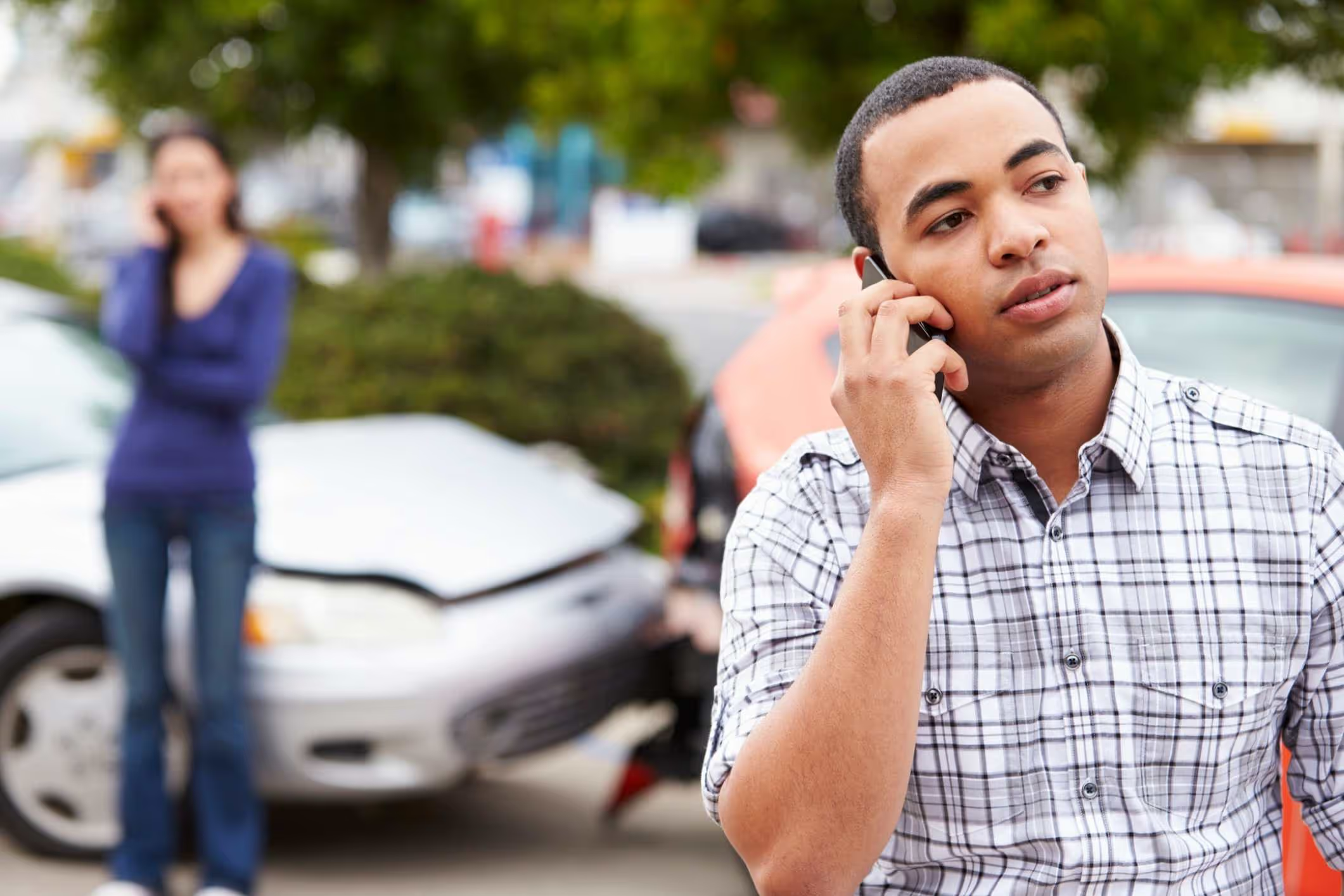
You're on the roadside, looking at your damaged car. The other driver gave you their insurance information and left. Now you’re wondering if someone hit my car, whose insurance do I call?
In Florida, the answer depends on the state's no-fault insurance system, which divides injury and property damage claims among insurers.
Knowing who to contact, and in what order, can help you avoid delays, prevent mistakes that insurers use to deny claims, and make sure the right coverage applies from the start.
Don’t wait to protect your rights. If you or a loved one has been injured in a car accident, call Osborne, Francis & Pettis at (561) 293-2600 or contact us online now. Speak directly with an attorney ready to fight for your compensation and guide you through the next steps.
How Florida’s No-Fault System Affects Who You Call
Florida's no-fault system usually means you contact your own insurer first, even if another driver caused the crash.
All Florida drivers must have at least $10,000 in Personal Injury Protection (PIP). PIP pays for medical bills and lost wages after a crash, no matter who was at fault. For injuries, your PIP is used before any fault-based claim.
This system allows accident victims to receive treatment without waiting for fault to be determined. As a result, you don't always need to contact the other driver’s insurer for injury claims right away.
Your insurer handles PIP first. The other driver’s insurer is relevant if your injuries exceed PIP or are serious. For vehicle damage, file a claim with the at-fault driver’s insurer directly.
These rules determine whether you start with your own insurer or the other driver’s insurer, depending on the type of claim involved.
What to Do Before You Call Any Insurance Company
Before calling, take steps to protect yourself and strengthen your claim.
- Document everything at the scene. Take photos of the damage to all vehicles, the surrounding area, traffic signs, skid marks, and any visible injuries.
- Exchange details. Get the other driver’s contact and insurance details, and collect names and phone numbers for witnesses.
- Call the police. Florida law requires you to report accidents involving injuries, deaths, or property damage exceeding $500. Even in a “minor” crash, a police report creates a record that can support your claim later.
- Seek medical care without delay. Florida’s 14-day rule for PIP benefits means you must see a provider within two weeks. Waiting can endanger your health and provide insurers with a reason to reject your injuries.
- Keep records of all expenses. Save receipts and paperwork for medical bills, prescriptions, rental cars, rideshares, towing, and any other accident-related costs.
With this information in hand, you’re in a better position to decide whether to start with your own insurer or the other driver’s insurer.
When to Call Your Own Insurance Company
After a car accident in Florida, your own insurance is usually your first contact, even if another driver caused the crash, because certain benefits are routed through your policy.
Here are the most common situations where calling your insurer first is the right move.
Medical Expenses and Lost Wages
PIP covers medical bills regardless of fault, but you must seek treatment within 14 days of the accident, or you lose eligibility.
PIP pays up to $10,000 for emergency injuries or $2,500 otherwise, and covers 60% of lost wages up to policy limits.
Collision Coverage for Vehicle Damage
If you have collision coverage, you can file a claim with your insurer for repairs. They may later recover costs from the other driver’s insurer, which means your repairs start sooner.
Uninsured or Underinsured Motorist Coverage
If the other driver has no insurance or not enough, your uninsured or underinsured motorist (UM/UIM) coverage can help pay your losses.
Hit-and-Run Accidents
If the other driver flees, filing with your insurer may be your only option. For hit-and-run cases, UM coverage can apply, but requirements depend on your policy.
So, do I contact my insurance if someone hits me? In many Florida accidents, yes. It gives you access to PIP, allows repairs through your own coverage if available, and protects you if the other driver is uninsured, underinsured, or unidentified.
Now that you know when to call your own insurer, it’s important to recognize when the other driver’s insurance should be involved.
When to Call the Other Driver's Insurance
Calling your insurer first is required for some benefits, especially medical and wage loss. The at-fault driver’s insurance still has obligations for other claims.
Property Damage Claims
Florida’s no-fault rules do not cover damage to your car. If another driver caused the accident, you can file a property damage claim with their insurer. This may take longer, but it avoids using your own deductible.
This is when many ask: if someone hits my car, do I call their insurance? For vehicle damage, contacting the at-fault driver's insurer helps you avoid paying your own deductible.
Injuries That Exceed PIP Limits
If your injury costs go beyond PIP limits, you may file a claim against the at-fault driver’s bodily injury coverage, if available.
Permanent Injury or Significant Impairment
Florida law lets you step outside the no-fault system and claim pain and suffering if your injuries are permanent, involve significant loss of function, scarring, or death.
Your Insurer Denies or Underpays a Claim
If your own insurance company refuses to cover valid expenses or pays less than your policy allows, additional legal options may be available.
Depending on the situation, you may need to enforce your policy rights, pursue the at-fault driver’s coverage, or both, particularly when medical expenses are substantial and insurers begin shifting blame.
Dealing with insurance after a car accident can be overwhelming. Take control of your claim and call Osborne, Francis & Pettis at (561) 293-2600 or contact us online for a free case review. We’ll explain your options and handle communication with insurers to protect your interests.
Be Careful What You Say
Once you know which insurance company to contact, what you say during those conversations matters.
When speaking with any insurance company, keep the conversation focused and factual. Stick to information such as:
- The date, time, and location of the accident;
- The vehicles and drivers involved; and
- The type of damage you can see.
Avoid:
- Guessing about who was at fault,
- Downplaying pain or injuries,
- Apologizing or speculating about what happened, or
- Agreeing to a recorded statement without understanding how it may be used.
Contacting the at-fault driver’s insurer requires additional caution. Their adjuster represents the other side and works to protect their policyholder. When speaking with them:
- Provide only basic facts about the crash,
- Avoid discussing your injuries in detail,
- Decline recorded statements or say you want to speak with your attorney first, and
- Keep the conversation brief and take notes on what was discussed.
Never agree to any settlement or sign paperwork until you fully understand your injuries and all related expenses. Acting too soon could seriously impact your compensation.
Common Mistakes That Can Hurt Your Claim
The following mistakes often happen after claims are already underway and can significantly reduce your compensation if they aren’t avoided.
Accepting a Quick Settlement
Insurers frequently make early offers before you know the full extent of your injuries. Accepting a settlement too soon can leave you responsible for medical bills that show up weeks later if your symptoms worsen or additional treatment becomes necessary.
Once you sign a release, you generally cannot go back and ask for more, even if your diagnosis changes.
Admitting Fault at the Scene
A simple apology could be twisted into an acknowledgment of fault. It’s normal to feel shaken up after a crash, but insurers and defense attorneys look for statements they can use to shift blame.
Let the police report, witness statements, photos, and vehicle damage tell the story.
Failing to Report the Accident to Your Own Insurer
Even if you plan to pursue the other driver's insurance, you still need to report the accident to your own insurer. Most policies require timely notice, and waiting too long can result in denied benefits, including collision coverage, UM benefits, or rental reimbursement.
Reporting promptly protects your access to coverage you've already paid for.
Giving a Recorded Statement Without Preparation
Adjusters may ask you to record your statement early in the claim. These conversations can seem casual, but they are designed to lock you into details before you have the full picture.
If you misspeak, guess at speed or distance, or downplay symptoms, insurers may later use that to dispute your injuries or reduce the claim’s value.
Assuming the Other Driver’s Insurance Will Handle Everything
The at-fault driver’s insurer has no obligation to protect your interests. Their job is to limit what they pay. That can mean delays, denials, disputes over fault, or requests for unnecessary documentation.
When You Need an Attorney
While some minor accidents may be settled quickly through insurance, there are urgent situations where you need an attorney who knows Florida’s laws and can respond decisively when insurers act unfairly.
Consider speaking with a lawyer if:
- Your injuries are serious or require ongoing treatment,
- The insurance company denies your claim or offers far less than your expenses,
- Fault is disputed or unclear,
- The other driver was uninsured or underinsured,
- You are being pressured to accept a quick settlement, or
- The crash involved a commercial vehicle, rideshare, or government entity.
An attorney can take over communications with adjusters, gather evidence to support your claim, calculate your full damages (including future care and lost earning capacity), and file a lawsuit when necessary.
Legal representation also helps prevent insurers from using delay tactics or pressure tactics when they know you are trying to handle everything alone.
Injured in a Car Accident? Osborne, Francis & Pettis Can Help
Figuring out whose insurance to call after an accident shouldn't add stress to an already difficult situation. Whether you're dealing with a minor fender-bender or a crash that caused serious injuries, understanding your options is the first step toward protecting yourself.
Since 2015, Osborne, Francis & Pettis has represented accident victims across Florida and recovered millions of dollars on their behalf. We know how insurers operate, how claims get undervalued, and what it takes to fight for a fair recovery.
Still asking if someone hit my car, whose insurance do I call? Reach out to us at (561) 293-2600 or message us online. The consultation is free, and we can help you understand which insurance to contact after a car accident and what compensation may be available.

.avif)

.svg)




.svg)
.svg)
.svg)
.svg)
.svg)